In the “World’s Most Famous Arena,” the jersey isn’t just fabric: It is a sacred contract. For a New York Knick, the record on the scoreboard is secondary to the profound responsibility of representing the five boroughs. To put on the Blue and Orange is to accept a calling that transcends the game. It is a commitment to a city that sees itself in your hustle, your resilience, and your refusal to yield. This is a lineage that connects the legendary icons of the 70s like Walt “Clyde” Frazier and Willis Reed to the titans of the 90s like Patrick Ewing, creating a standard that demands a player’s entire soul.
The Standard of the Garden
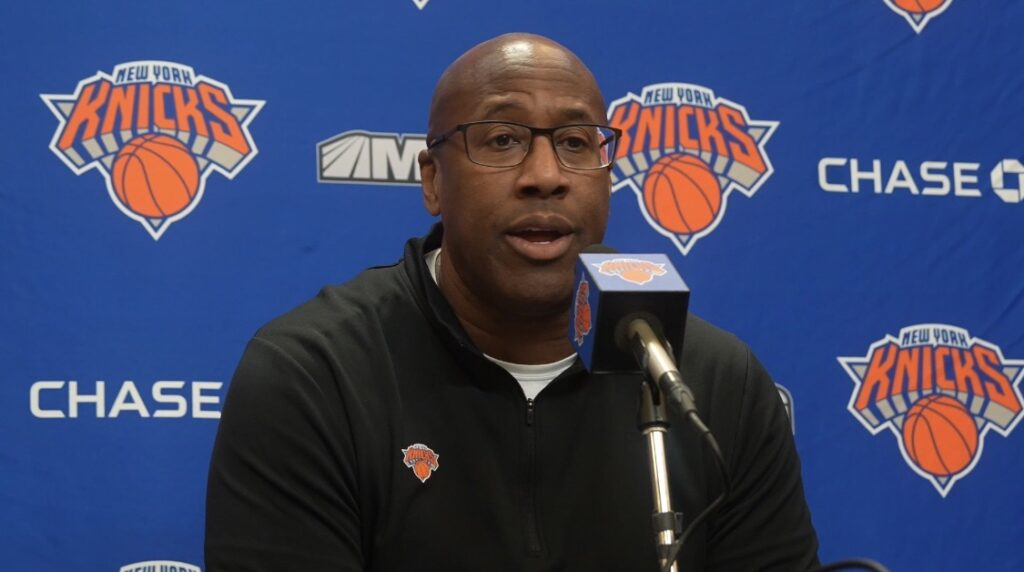
For Coach Mike Brown, being a Knickerbocker means upholding a specific identity—one where the character of the man is just as important as the talent of the player. “The Knicks are a historic organization, and MSG is iconic,” Brown explains. “But if you take into account the group of guys in this locker room—their character, their work ethic, their connection… everything we talk about when it comes to our standard. I feel lucky, blessed, to be part of it.”
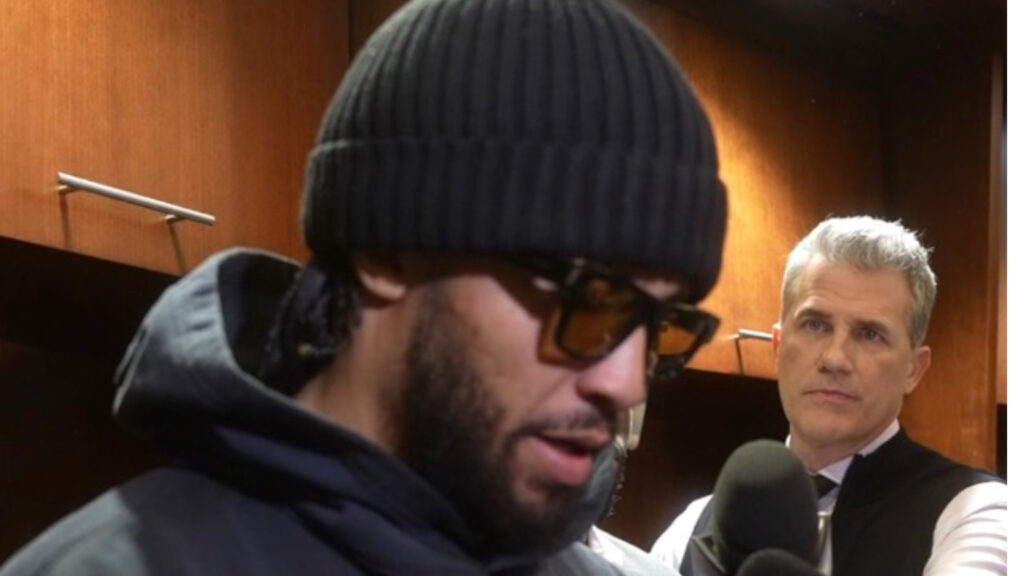
This sentiment of stewardship is echoed by the team’s leader, Jalen Brunson, who approaches his role with the reverence of someone guarding the very heart of the city. “It has an enormous importance to me,” Brunson shares. “I don’t take it for granted at all. It’s a privilege… truly an honor.”

Roots and Resilience
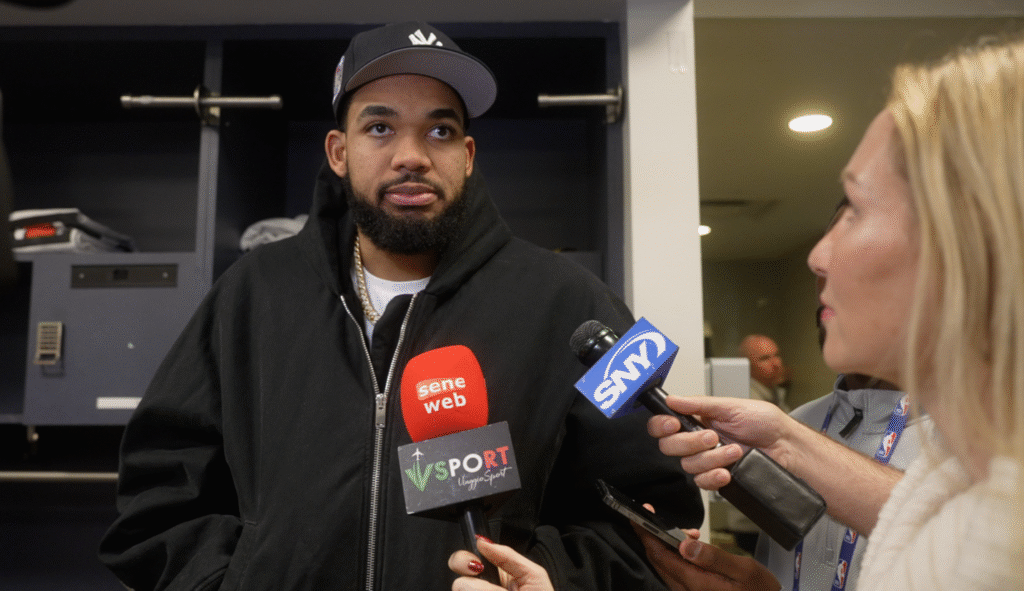
For players like Karl-Anthony Towns and Mitchell Robinson, the pride is a visceral connection to the city’s pavement. Towns, a local who grew up in the tri-state area, understands that the Knicks are the “Mecca” because the fans here know the game better than anywhere else. “Just the city of NY… where I was born, I lived in this area,” Towns reflects. “To be part of a team that I encouraged growing up and always held in high esteem, it’s incredible. I’m grateful every day to be able to put on this jersey.”

Mitchell Robinson, the anchor who has remained loyal to the Garden through eight seasons of evolution, knows that New York requires an unwavering spirit. “I’ve been here for eight years. A lot of sweat and tears here; that’s the bottom line,” Robinson says. It is a blue-collar resilience that mirrors the grit of 90s legends like Charles Oakley and John Starks—men who earned the city’s eternal respect because they reflected the toughness of the people in the stands.
The “Once a Knick” Bond
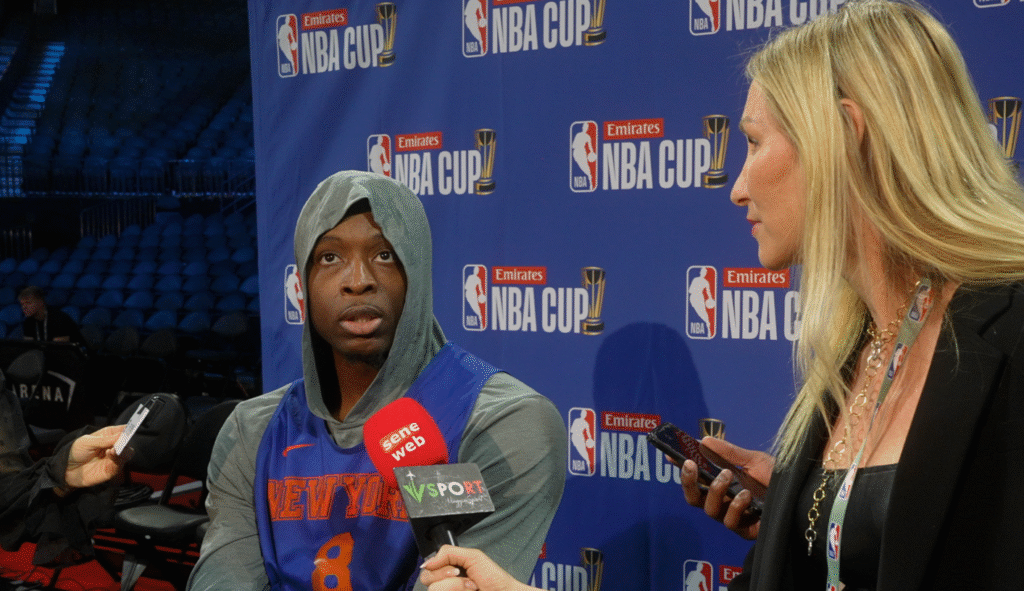
The deep meaning of representing this franchise lies in a collective sacrifice. OG Anunoby finds his pride in the “great tradition and history of playing at the Garden,” acknowledging that he is part of a story much larger than himself.

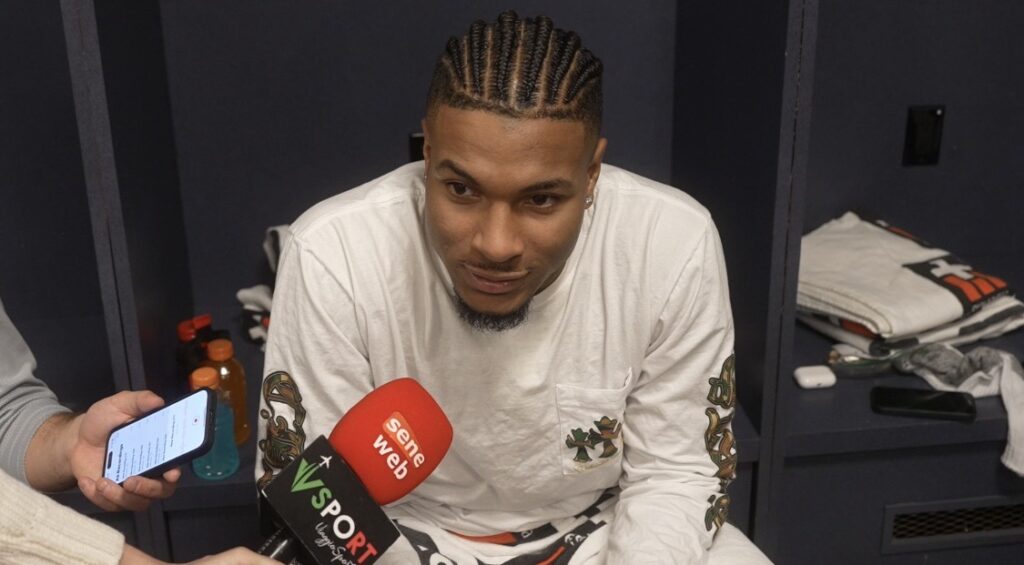
Josh Hart describes the visceral energy of the name on the front of the jersey, noting that the “New York” across the chest carries a pride that dictates how you carry yourself on and off the court. Mikal Bridges views the brotherhood in the locker room as a blessing, while Miles McBride emphasizes the shared soul of the group: “It’s special to play with guys who just want to win together.”
The Ultimate Hope: A Parade for the Ages
History in New York is defined by acts of legendary character—none more iconic than Willis Reed’s 1970 Finals “limp” onto the court, an act of pure devotion to his teammates and the city. From the high-scoring brilliance of Bernard King to the flair of Earl “The Pearl” Monroe, the bar is set at “immortality.”
The current roster knows that the only way to truly honor the Blue and Orange—colors taken directly from the New York City flag to represent unity and the city’s Dutch origins—is to deliver a championship. A title in Manhattan wouldn’t just be a victory; it would be a spiritual homecoming for millions of New Yorkers who see the Knicks not just as a team, but as a reflection of their own identity.